





Rivernotes
Rivernotes April 16, 2026
Phil Monahan
April 16, 2026
Editor's Note
by Phil Monahan, ASF Managing Editor
Spring is finally making itself known in parts of Atlantic Canada, and yesterday was Opening Day for some waters and species in New Brunswick and Novia Scotia. According to Jerry Doak at W.W. Doak Fly Shop in the heart of New Brunswick's Miramichi River valley, the river was was somewhat high and dirty yesterday—as usual for this time of year—so many fly fishers decided to wait before heading out on the water. That said, he expects to see positive changes over the next couple days, and he's quite optimistic that this season will exceed the expectations of many anglers.
This edition of Rivernotes features news, events, and information about angling, conservation, and research, but we'll kick it off with a couple of fun stories.
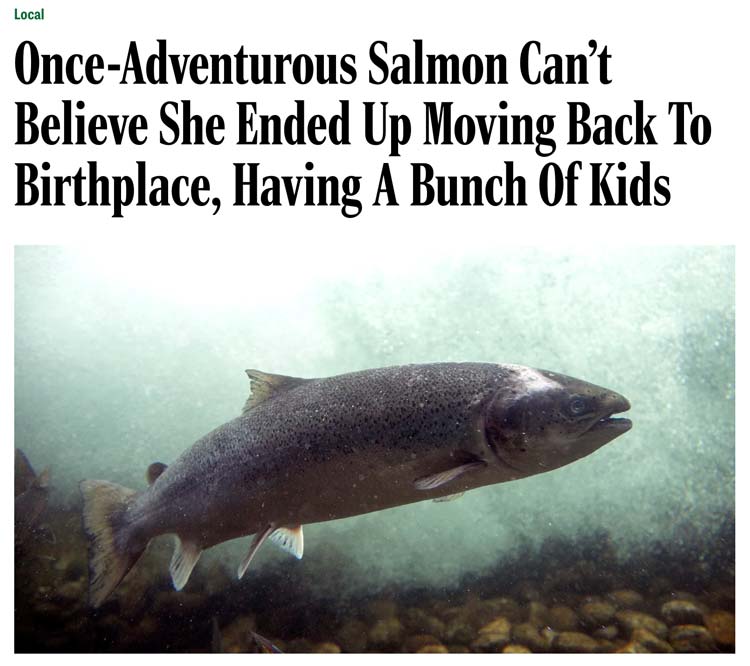
The satirical newspaper The Onion offered some hilarious insights into the mind of a returning Penobscot River Atlantic salmon:
“I was carefree and always up for going wherever the sea current took me, so never in a million years did I ever think I’d be back in this old stream starting a big family,” said the expecting mother of 2,133, noting that returning to the place where she grew up and settling down was the furthest thing from her mind while she was young and daring, traveling thousands of miles across the sea and risking the dark, seal-infested waters off Greenland in search of a little excitement.
The article ends with a bit of incorrect science—it seems they might have confused Atlantic and Pacific salmon—but it’s worth it for the laughs. Click here for the full article in The Onion.
Moncton Boat & Sportsmen Show
ASF shared a booth with Hooké at the Moncton Sports Show, and Communications Director Kristen Noel offers her thoughts on the event.
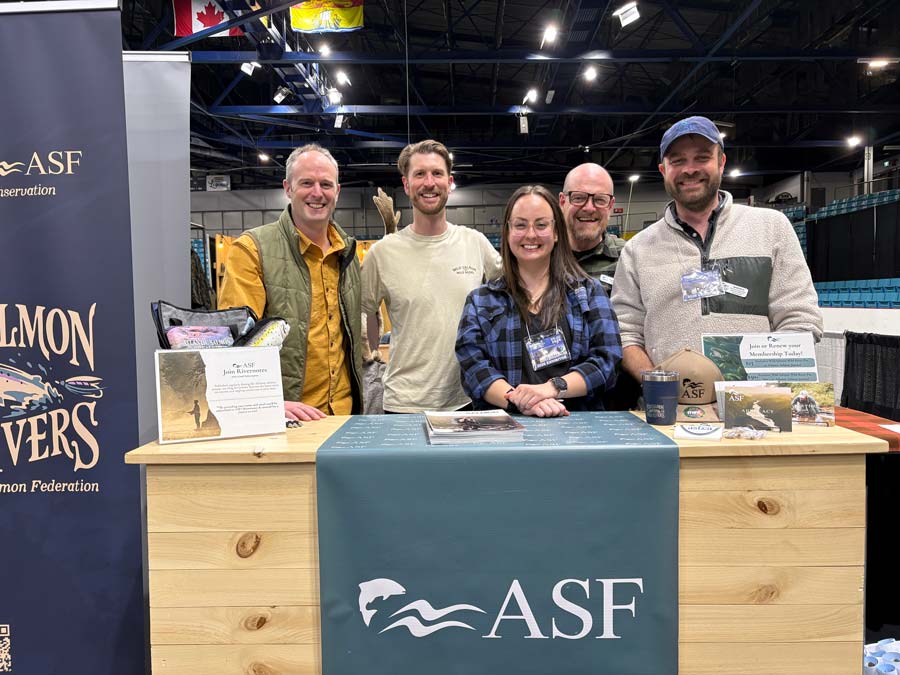
We had a great weekend in Moncton—where we shared a booth with Hooké—spending Friday through Sunday connecting with so many passionate anglers, conservationists, and supporters. It was energizing to meet people who care deeply about the future of wild Atlantic salmon and to share the work being done to protect them.
On Friday evening, we also hosted a screening of the Scale of Change film tour at the same venue, and were thrilled to see a full house. A highlight of the night was a powerful reminder from ASF President Nathan Wilbur during the screening: “Be optimistic about salmon. They’re very resilient, and we should believe in them.”
Thank you to everyone who came out, showed their support, and continues to stand behind this work. It truly takes a community, and it’s inspiring to see that community come together on weekends like this one.
New Brunswick
New Brunswick Program Director David Roth shares some updates on ongoing invasive-species regulations, as well as a few useful early-season fly patterns and ways that anglers can find up-to-date river information.
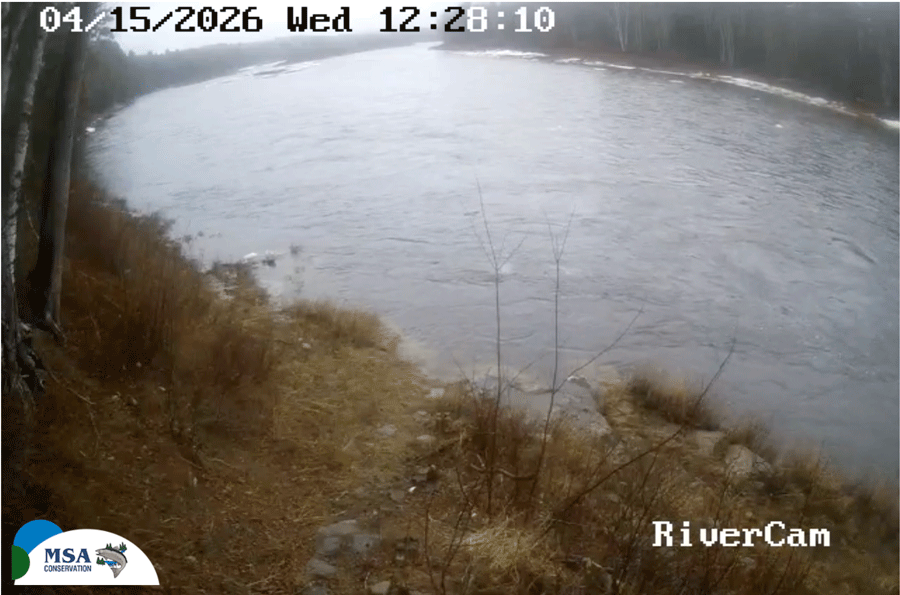
The Miramichi on opening day, via the Live River Cam at Bullock’s Lodge in Boiestown.
With the fishing season opener on April 15, anglers across New Brunswick are looking forward to getting back on the water. While angling regulations for Atlantic salmon remain unchanged from 2025, there are a few important updates to keep in mind as the new season begins.
The Department of Natural Resources is taking measures to reduce the illegal introduction and spread of non-native fish species in the province. Anglers should be aware that mandatory retention is now in place for five non-native species in designated Recreational Fishery Areas: black crappie, chain pickerel, largemouth bass, muskellunge, and smallmouth bass.
We encourage everyone heading out this season to take a moment to familiarize themselves with these species, both for identification purposes and to understand where retention is required. Full details, including area-specific regulations, are available through the province’s invasive species resource page.
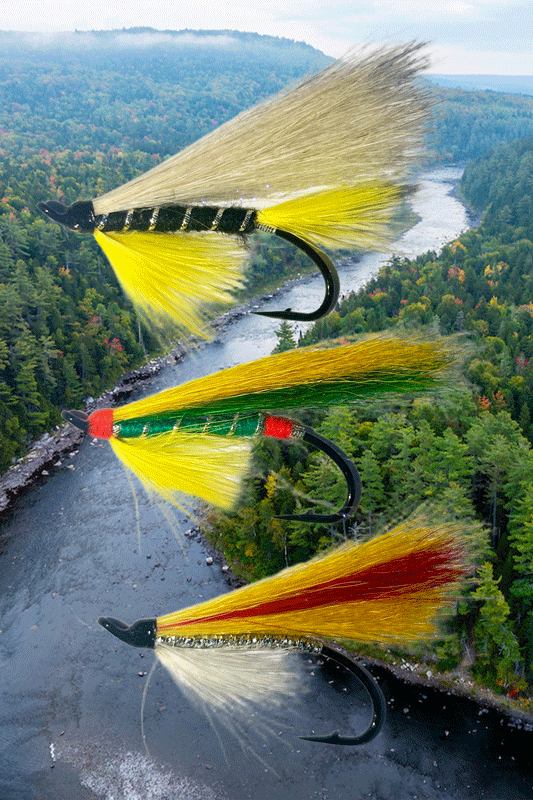
Opening day will once again see many anglers targeting “black salmon,” and preparation is key. At the recent Moncton Boat & Sportsmen Show, I connected with members of the Dieppe Fly Tying Club (Club de montage de mouche Dieppe) to gather their top fly recommendations for the early season.
If you’re organizing your fly box this week, consider including these proven favourites: Black Ghost, Renous Special, and Mickey Finn. These patterns have long-standing reputations for producing results in early-spring conditions and are well worth having on hand.
For those planning their first outing, taking advantage of real-time river conditions can make all the difference. Local river cameras and hydrometric data provide valuable insights into water levels, clarity, and overall conditions before you head out.
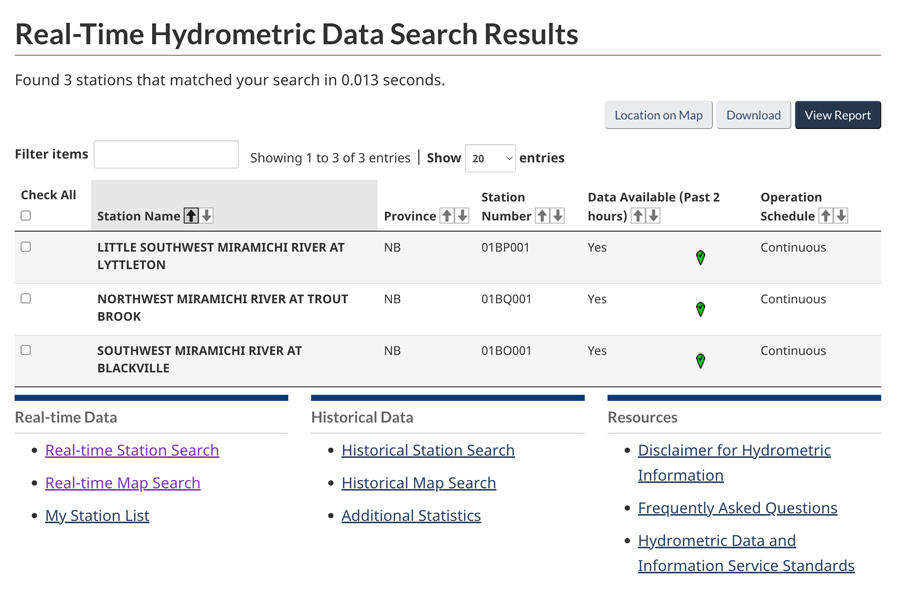
Check out these live cams and data sites:
Country Haven Lodge & Cottages Miramichi Live Cam
Live River Cam at Bullock’s Lodge in Boiestown
Real-Time Hydrometric Data for the Miramichi Drainage
Wishing everyone a safe, successful, and enjoyable start to the 2026 angling season. Tight lines!
Nova Scotia
Nova Scotia Program Director Matt Russell shares some updates on the start of the fishing season, as well news of an important scientific initiative and a First Nations response to proposed power stations along two rivers.
With trout season already underway, anglers across the province have begun returning to their favourite lakes and rivers. Following above-average snowfall and a long, cold winter, water levels remain high and temperatures are low, resulting in a slower start in many regions. Despite this, anglers are reporting excellent brown-trout fishing in the headwaters flowing into the Northumberland Strait.
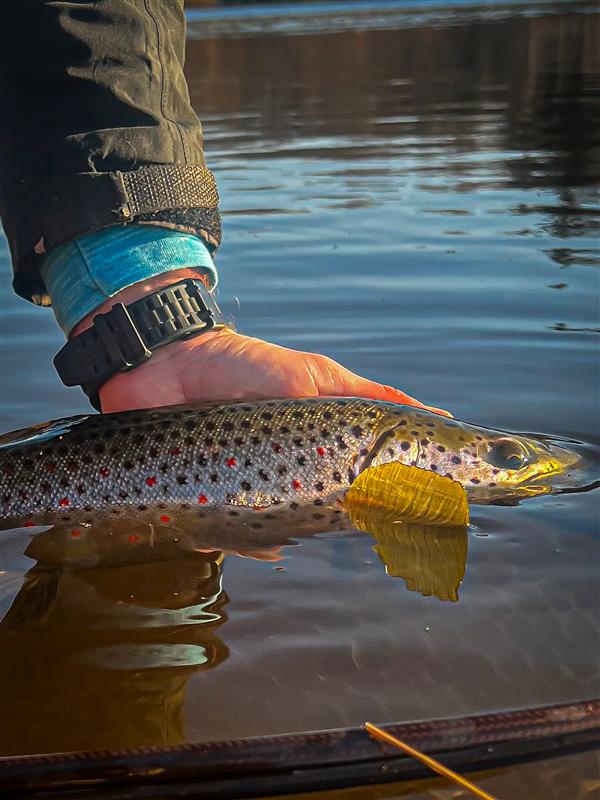
It is important to note that while pursuing brown trout at this time of year, anglers should avoid lower sections of rivers. Many kelt remain in these systems, and the intentional targeting of kelt is strictly prohibited in Nova Scotia.
With heavy rains in the forecast and nearly two metres of snowpack still present in the Cape Breton Highlands, early indicators suggest this year’s salmon season may improve on last year’s drought conditions. However, it remains too early to draw firm conclusions.
On the science front, ASF—in partnership with NSSA, DFO, and the St. Mary’s River Association—is launching a major new initiative this spring. A modernized assessment of the adult Atlantic salmon population on the St. Mary’s River will be conducted—the first of its kind on this river in many years. This marks year one of a five-year program, with plans to tag up to 1,000 smolt annually. Three smolt wheels will be installed throughout the river this week and will operate through June. Anglers are asked to avoid interacting with the equipment for the duration of the project.
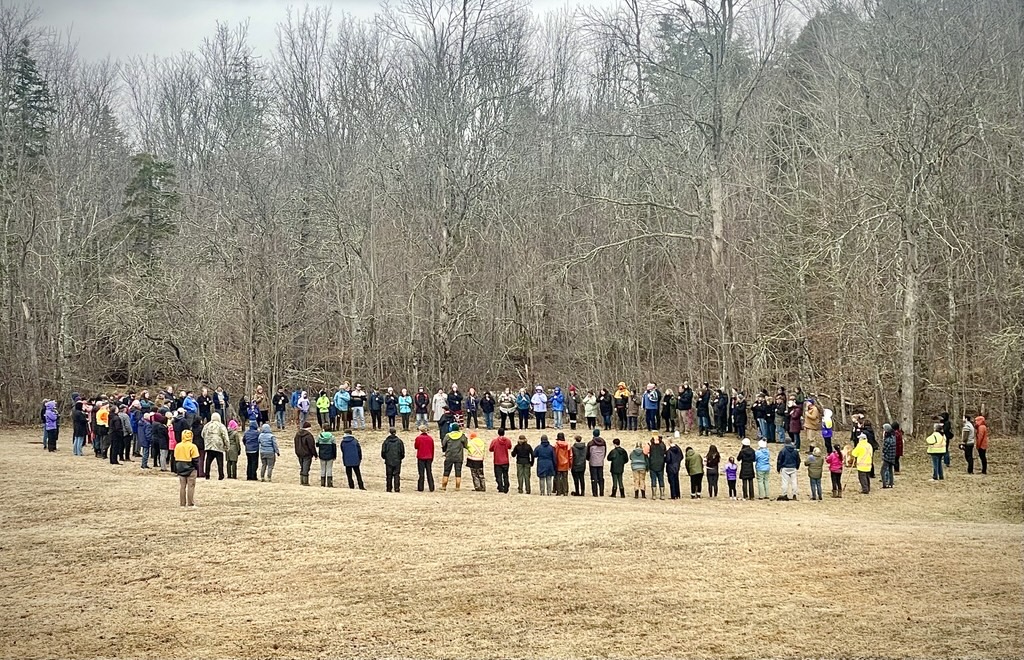
On the advocacy front, ASF Impact Officer Aimee Hopton and I recently participated in water ceremonies along the East and West Rivers in Pictou County. These ceremonies were led by Mi’kmaq Knowledge Holders from Pictou Landing First Nation in response to proposals to construct two natural-gas power generation facilities along the rivers’ banks. The events brought together nearly 300 participants from across the province, representing a wide range of backgrounds, to stand in solidarity against further degradation of wild salmon rivers.
Québec
Québec Program Director Caroline Côté details some of the fascinating work being done by the Gespe’gewa’gi Institute of Natural Understanding, as well as a troubling development in a decades-long water-monitoring project.
Listening to the Restigouche—a season of fieldwork, sound, and science
While most anglers are still waiting for opening day, the Gespe’gewa’gi Institute of Natural Understanding (GINU) has been on the Restigouche watershed since late March. A Mi’kmaq-governed non-profit based in Listuguj, Québec, GINU conducts applied aquatic research in partnership with First Nation communities and organizations like the Atlantic Salmon Federation. For GINU, the work never really stops; it just changes shape with the seasons.
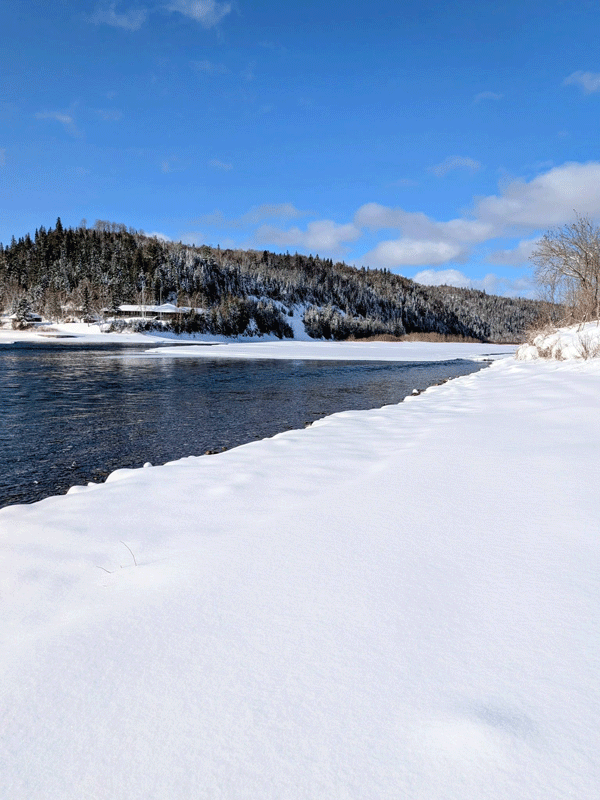
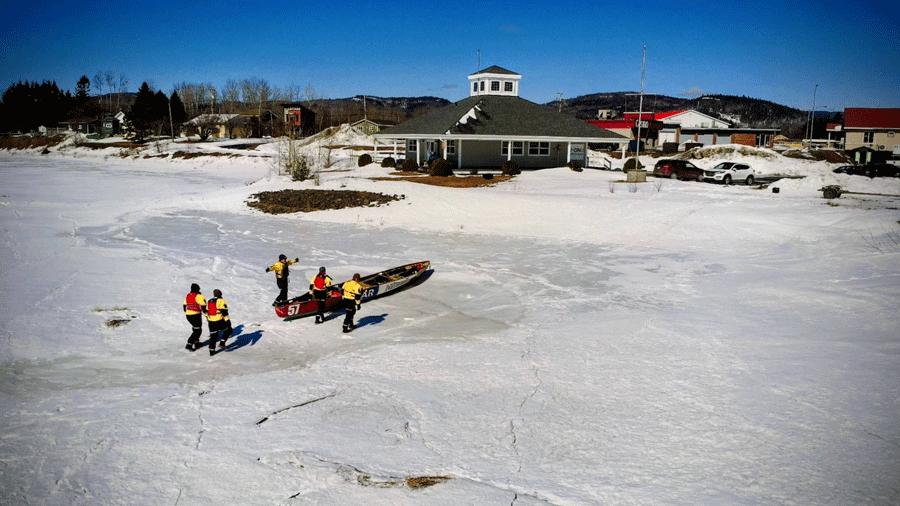
On March 27, the team ventured onto the frozen Restigouche near Campbellton with an ice canoe, a first for the organization. Working alongside Lloyd Arsenault and colleagues, they measured ice thickness at multiple sites, with some sections exceeding 60 cm. They also used geophysical equipment typically associated with seismic monitoring to assess the structural properties of the ice sheet. It was unconventional fieldwork by any measure, and a reminder that understanding a river means being present across its full seasonal cycle, not just when the water is open.
In early April, near Camp Harmony on the Restigouche, GINU’s Carole-Anne Gillis served as a field guide for sound artist Chantal Francoeur. Francoeur’s project, “Strates de résonance” (Resonance Layers), uses immersive field recordings to capture the acoustic signatures of the Restigouche and Matapédia watersheds. Her questions are deceptively simple: What are the sonic signatures of these rivers? What impressions do they make? What traces do they leave on the mind, body, and heart?
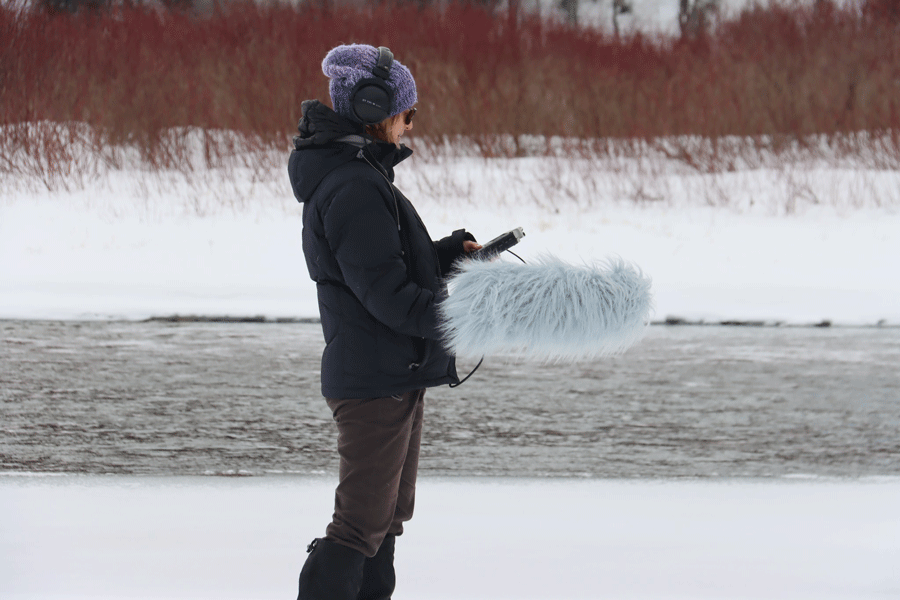
On April 11, Francoeur presented the finished work to a packed room at the Gare de Matapédia — a heritage building that now serves as an arts and community hub in the small Quebec village at the confluence of the two rivers. The evening drew an engaged local audience and closed with the first annual general meeting of Matapédia Jonction Pôle, the organization behind the venue.
For Gillis, guiding an artist through a watershed she studies daily offered its own kind of perspective. Science and art don’t often share the same riverbank—but when they do, both tend to sharpen.
What the Science is Showing
Last week, GINU participated in the Restigouche Watershed Science Workshop, held April 8–10 in Campbellton, where researchers presented new findings on Atlantic salmon and their ecosystems. Among the topics: the detection of spring acidification events across key salmon rivers—including the Restigouche, Margaree, NW Miramichi, and De la Trinité—and what those pH shifts mean for smolt survival and migration. The work, presented by Dr. Pierre Bories, confirmed that estimated sensitivities align with field observations, and pointed toward practical management tools like sediment traps as a more viable option than liming.
It’s the kind of science that connects directly to what GINU observes on the ground, and it demonstrates why continuous, long-term data collection matters.
A Monitoring Gap that Shouldn’t Be
This makes recent news from the watershed all the more difficult to absorb. The Organisme de bassin versant Matapédia-Restigouche (OBVMR) recently announced that its Réseau-Rivières monitoring stations—running for more than 20 years on the Matapédia, Humqui, and Sayabec rivers—have lost their provincial funding. The cancellation came with less than a week’s notice before the start of the sampling season.
These stations track the baseline water quality data that informs everything from forestry decisions to fish habitat management. Without them, gaps open up in the record that can take years to rebuild.
The contrast is hard to ignore: people working in difficult conditions to understand these rivers better, at the same moment the infrastructure that supports that understanding quietly disappears.
En Français
Écouter la Restigouche—une saison de terrain, de son et de science
Pendant que la plupart des pêcheurs attendent encore l’ouverture de la saison, le Gespe’gewa’gi Institute of Natural Understanding (GINU) est sur le bassin versant de la Restigouche depuis la fin mars. Organisation à but non lucratif gouvernée par des Mi’gmaq et basée à Listuguj (Québec), GINU mène des recherches aquatiques appliquées en partenariat avec des communautés des Premières Nations et des organisations comme la Fédération du saumon atlantique. Pour GINU, le travail ne s’arrête jamais vraiment — il change simplement de forme au fil des saisons.
Le 27 mars, l’équipe s’est aventurée sur la Restigouche gelée près de Campbellton avec un canot à glace — une première pour l’organisation. En compagnie de Lloyd Arsenault et de collègues, ils ont mesuré l’épaisseur des glaces à plusieurs endroits, certaines sections dépassant 60 cm. Ils ont aussi utilisé un équipement géophysique normalement associé à la surveillance sismique pour évaluer les propriétés structurelles de la couverture glacielle. Un travail de terrain peu conventionnel, qui rappelle qu’on ne comprend vraiment une rivière qu’en étant présent à travers tous ses cycles saisonniers — pas seulement quand l’eau est libre.
En début avril, près du Camp Harmony sur la Restigouche, Carole-Anne Gillis de GINU a servi de guide de terrain à l’artiste sonore Chantal Francoeur. Son projet, Strates de résonance (Resonance Layers), s’appuie sur des enregistrements immersifs pour capter la signature acoustique des bassins versants de la Restigouche et de la Matapédia. Ses questions sont d’une simplicité trompeuse : quelles sont les marques sonores de ces rivières ? Quelles impressions font-elles ? Quelles empreintes laissent-elles sur l’esprit, le corps, le coeur ?
Le 11 avril, Francoeur a présenté l’oeuvre complète devant une salle comble à la Gare de Matapédia — bâtiment patrimonial reconverti en pôle artistique et communautaire dans le petit village québécois situé à la confluence des deux rivières. La soirée a rassemblé un public local engagé et s’est conclue avec la première assemblée générale annuelle de Matapédia Jonction Pôle.
Pour Gillis, guider une artiste à travers un bassin versant qu’elle étudie au quotidien offre sa propre façon de voir. La science et l’art ne partagent pas souvent la même berge — mais quand c’est le cas, les deux en sortent plus aiguisés.
Ce que la Science Révèle
La semaine dernière, GINU participait à l’atelier scientifique sur le bassin versant de la Restigouche, tenu du 8 au 10 avril à Campbellton, où des chercheurs ont présenté de nouvelles données sur le saumon atlantique et ses écosystèmes. Parmi les sujets abordés : la détection d’épisodes d’acidification printanière sur des rivières à saumon clés — Restigouche, Margaree, NW Miramichi et De la Trinité — et ce que ces variations de pH signifient pour la survie et la migration des smolts. Les travaux, présentés par le Dr Pierre Bories, ont confirmé que les sensibilités estimées s’alignent avec les observations terrain, et suggèrent que des trappes à sédiment constituent une option de gestion plus viable que le chaulage.
C’est le genre de science qui rejoint directement ce que GINU observe sur le terrain — et qui illustre pourquoi la collecte de données continues à long terme est indispensable.
Un Vide de Suivi qui ne devrait pas Exister
Ce qui rend la nouvelle récente d’autant plus difficile à accepter. L’Organisme de bassin versant Matapédia-Restigouche (OBVMR) a annoncé que ses stations de suivi Réseau-Rivières — actives depuis plus de 20 ans sur les rivières Matapédia, Humqui et Sayabec — perdaient leur financement provincial, avec moins d’une semaine de préavis avant le début de la saison d’échantillonnage.
Ces stations documentent les données de qualité d’eau de base qui orientent les décisions en matière de foresterie et de gestion de l’habitat du poisson. Sans elles, des lacunes s’ouvrent dans le registre — des lacunes qui peuvent prendre des années à combler.
Le contraste est difficile à ignorer : des gens qui travaillent dans des conditions difficiles pour mieux comprendre ces rivières, au moment même où l’infrastructure qui soutient cette compréhension disparaît discrètement.
Newfoundland and Labrador
Newfoundland and Labrador Program Director Kim Thompson is excited that the long winter is over, and she is optimistic for the new season. She also highlights some upcoming events.
Spring has sprung with longer daylight hours, despite continued snowfall and air temperatures below 0 (Celsius). We are now just months away from the opening of the recreational salmon angling seasons—June 1 in Newfoundland and June 15 in Labrador.
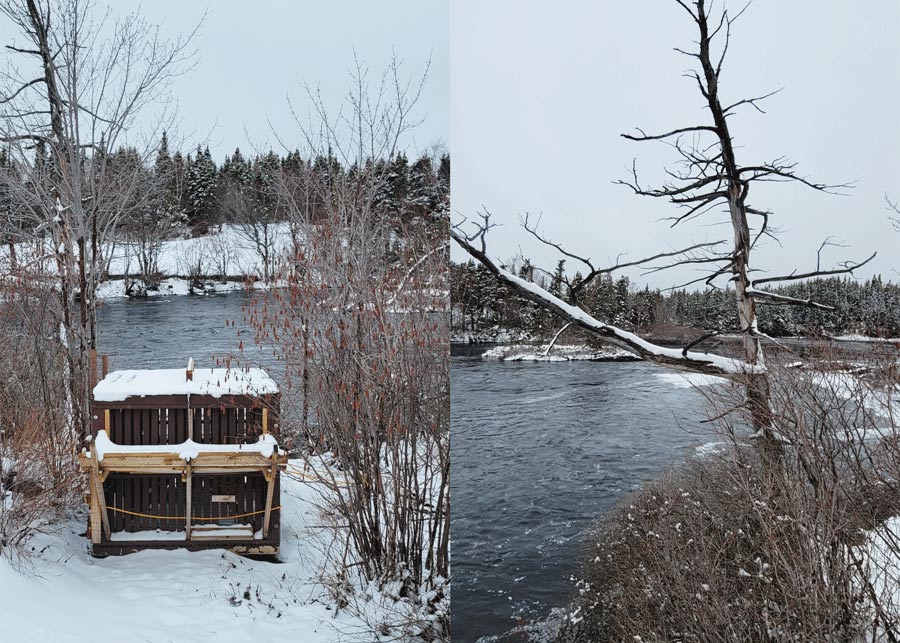
It was refreshing to experience an old-fashioned winter with plenty of snow. Over the Christmas holiday season, I logged more kilometers on my Ski-Doo than in the previous two winters combined! According to the Winter 2026 Quarterly Climate Report (December–February) produced by Environment and Climate Change Canada, parts of Newfoundland experienced record snowfall, with some areas near Gander receiving close to 200% of normal snowfall for the period. St. John’s Airport also set a new February snowfall record. Labrador, however, experienced below-normal precipitation and snowfall, largely due to storm tracks not impacting the region.
With above-normal precipitation recorded in some areas of the province, conditions appear so far favorable for a healthy spring runoff with hopefully sustained cool freshwater flows into the summer.
DFO Notice to Anglers
The Department of Fisheries and Oceans reminds anglers that the winter trout angling season for Zone 1 (Insular Newfoundland) closed on April 15, 2026. Anglers can sign up to receive DFO Newfoundland and Labrador Region Notices to Anglers by email by contacting NLPRI@dfo-mpo.gc.ca.
Upcoming Events
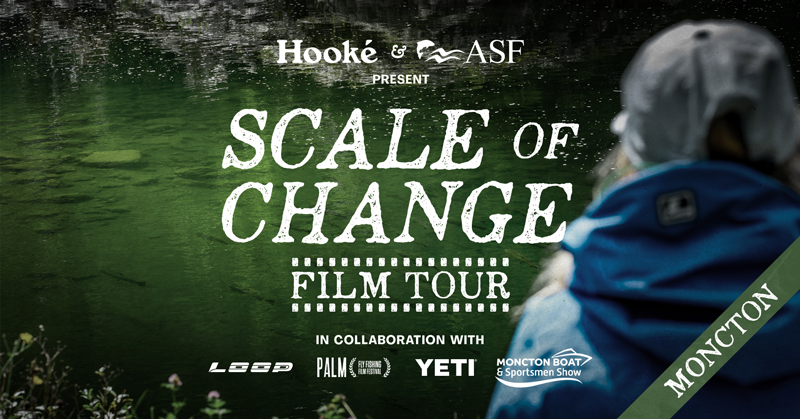
April 16 (tonight!)—Scale of Change Film Tour, Majestic Theatre, St. John’s.
April 30—International Fly Fishing Film Festival (IF4), Bruneau Centre for Research and Innovation, St. John’s.
May 2 —Salmonid Association of Eastern Newfoundland (SAEN) Spring Dinner and Auction, Knights of Columbus, St. John’s. Tickets can be obtained through any SAEN board member, through the SAEN office (info@saen.org or 709-722-9300), or in person at 50 Pippy Place. The SAEN office operates on Monday, Wednesday, and Friday mornings.
Upcoming ASF Events
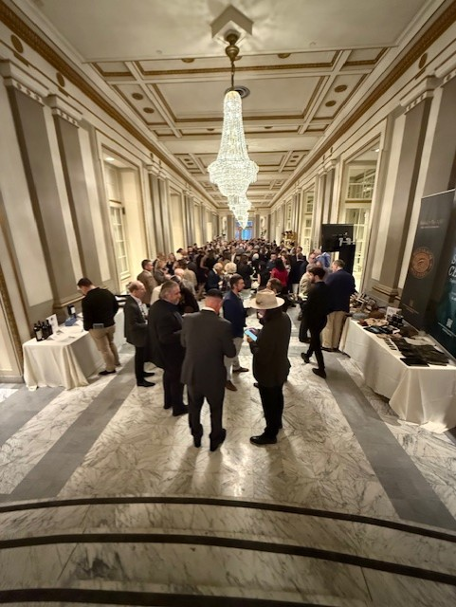
April 22: 42nd Annual Montreal Spring Banquet. Join us at Le Windsor Ballrooms in Montréal for an evening celebrating great food, great company, and wild Atlantic salmon.
May 6: 35th Annual Halifax Dinner. Co-hosted with the Nova Scotia Salmon Association, Annual Halifax Dinner will honour René Aucoin, president of the Chéticamp River Association, for his many valuable contributions to Atlantic salmon conservation throughout Nova Scotia and the Maritimes.
May 20: Toronto Upstream Mixer, An Atlantic Salmon Rendezvous. Join us for a casual evening to welcome a new wave of stewards to the community, culture, and conservation work that supports wild Atlantic salmon. Together with seasoned Atlantic salmon Anglers and Conservationists, we invite you to join us in demystifying Atlantic salmon angling.
Join ASF on a Hosted Trip to the St. Paul’s Salmon Fishing Club
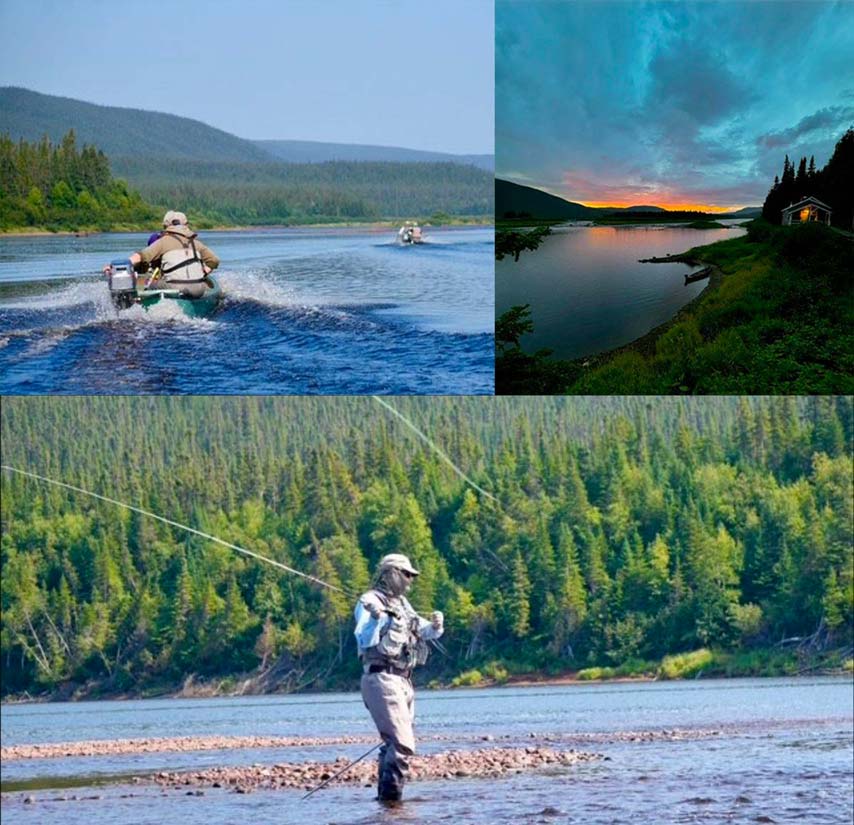
Since 1964, The St Paul’s Salmon Fishing Club—nestled on the St. Paul’s River on the Lower North Shore of Quebec—has been providing clients both some of the world’s best Atlantic salmon fly fishing. The Lodge operates on a 100% catch-and-release policy, with exclusive river rights to more than 30 miles of pristine river, and access to 35+ salmon pools. (Click here for information about the lodge and the fishing.) Join ASF for an exclusive hosted trip to this beautiful, productive river from July 25th to August 1st. The trip includes:
- 7 days of guided fishing
- Private lodging
- Flights to the lodge from Deer Lake, NL
This opportunity is limited to 7 anglers, and the cost is $6,900 (USD). For more information, contact Andy Goode at agoode@asfmaine.org