



News & Blogs
NOAA set to release biological opinion on Kennebec dams
asf
January 5, 2026
NEVILLE CRABBE
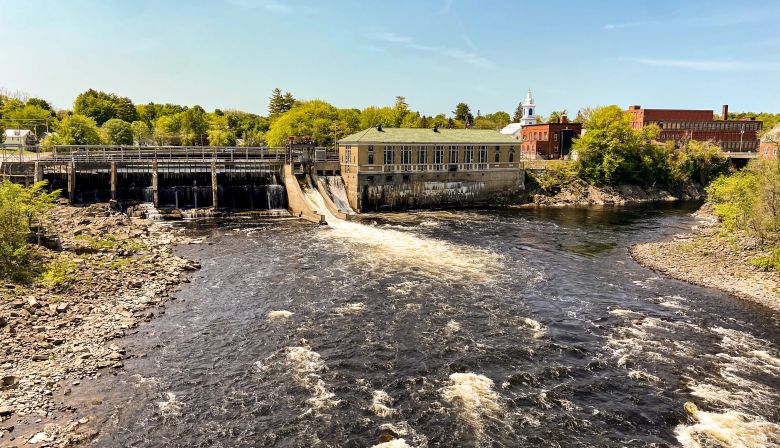
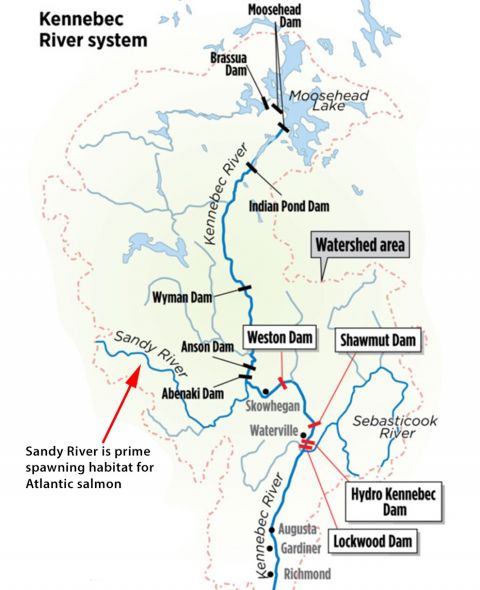
The National Oceanic and Atmospheric Administration (NOAA) is preparing to release a biological opinion that will affect the future of four dams along the Kennebec River, a significant moment in the decades long fight to restore fish passage in Maine’s second largest watershed. The decision will also weigh on the future of Atlantic salmon in America.
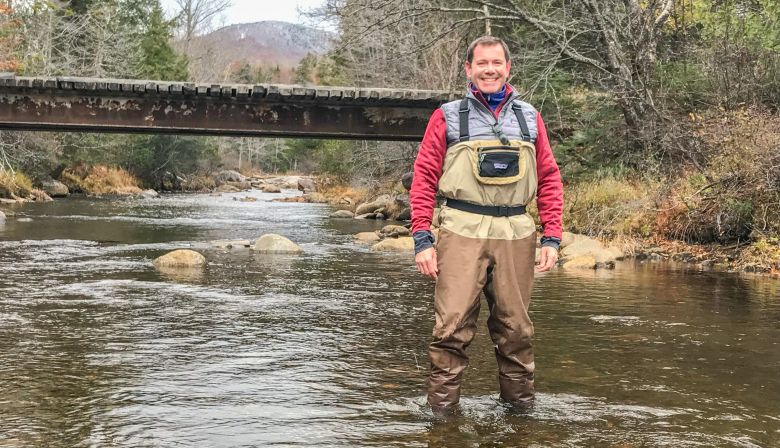
John Burrows is ASF’s Executive Director of U.S. programs and helps lead the Kennebec Coalition, a partnership of NGOs working to reconnect the watershed to the sea. He sat down for a Q&A on the situation.
ASF: What’s happening right now with NOAA and the Kennebec?
John: For the few years, NOAA Fisheries has been working with the dam owner, Brookfield, to finalize what is called a species protection plan.
Atlantic salmon in the United States are listed under the Endangered Species Act and companies like Brookfield need an approved species protection plan to continue to operate legally under the ESA. What NOAA is doing right now is reviewing Brookfield’s final submission. Part of that review is issuing a biological opinion, or BiOp.
Brookfield has proposed building new fish lifts and taking a few other measures at these four dams to improve upstream and downstream fish passage.
NOAA’s BiOp will determine if that’s enough to avoid negatively affecting our ability to recover Atlantic salmon in the Gulf of Maine. NOAA will essentially determine if the plan puts the continued existence of U.S. salmon in jeopardy or not.
ASF: Do you think that Brookfield’s plan will meet the requirements of the Endangered Species Act?
John: No. All of the high quality Atlantic salmon habitat in the Kennebec is above those four dams and four fishways is not going to work. We have argued this for over a decade with all the partners of the Kennebec Coalition using facts and science, and trying to appeal to the need to restore the watershed.
We don’t know exactly what’s in this final plan, but we do know that previous versions were not acceptable to NOAA, to the State of Maine, and to the Kennebec Coalition. It’s not clear since this latest version was submitted in 2021 what changes have been made in consultation with NOAA. There could be things in there that we’re not aware of, but we’re not overly optimistic.
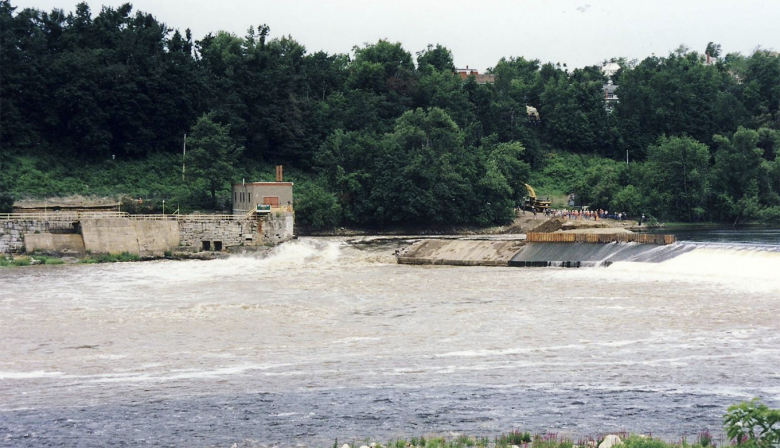
ASF: The Kennebec Coalition is pushing for dam removal. How could this biological opinion affect efforts to remove some or all of these old structures?
John: If NOAA determines that Brookfield’s plan will cause jeopardy to Atlantic salmon it will create substantial pressure on the company to engage with the conservation community and negotiate the sale of these dams for their removal.
If it goes the other way, NOAA is telling the company that their plan to build fishways is OK. This is something Brookfield has been willing to do for years, but we have opposed it because there is not an example anywhere in the world where Atlantic salmon can pass over four dams and be self-sustaining.
A no jeopardy decision doesn’t shut the door on dam removal, but it certainly makes things much harder and would hold back salmon recovery and other fisheries restoration efforts for many more years.
We absolutely have to remove those dams to have any chance of getting to recovery and a no jeopardy decision will make that a lot harder, however I don’t think it completely shuts down our chances of getting to dam removal.
John: Because of the relatively low number of jeopardy determinations handed down by NOAA and the U.S. Fish and Wildlife Service under the Endangered Species Act, it seem like the odds are not in our favour.
However, I am confident that we have raised a lot of significant issues that NOAA needs to address, like the cumulative impacts of these dams on Atlantic salmon.
We feel strongly that a jeopardy determination is warranted based on all the information and what we know about dams and Atlantic salmon all over the world, but in this case we have to wait and see what the final word is.
ASF: I know you’ve touched on it, but can you sum up what a no jeopardy decision would mean for Atlantic salmon in the Kennebec specifically, and Maine overall?
John: If Brookfield is allowed to move ahead and build fishways, we know that we cannot get to recovery. It makes the recovery goals for Atlantic salmon under the Endangered Species Act unachievable.
We absolutely have to remove those dams to have any chance of getting to recovery and a no jeopardy decision will make that a harder, however I don’t think it completely shuts down our chances of success.
The Federal Energy Regulatory Commission ultimately has to accept NOAA’s opinion before they can issue a license to Brookfield to keep operating and we have an opportunity to challenge that process.
What happens with NOAA is absolutely not the end of our efforts, but it will definitely carry weight.