





Non classifié(e)
Rivernotes
asf
mai 17, 2023
PETER DORE – RIVERNOTES@ASF.CA
A MESSAGE FROM THE EDITOR
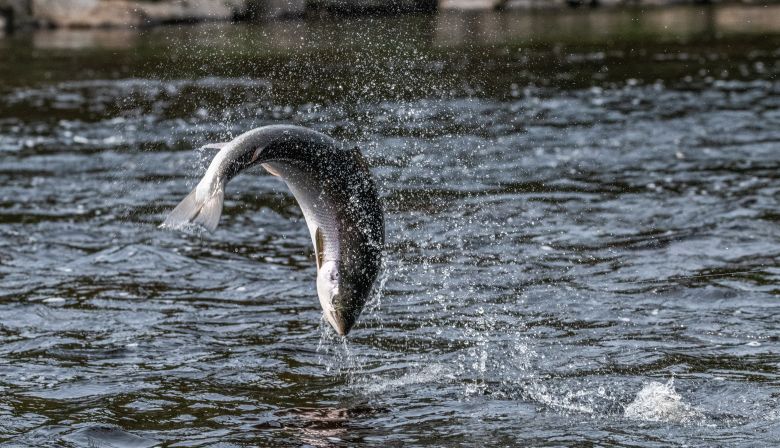
There’s a distinct enchantment to a river in spring. It’s a time of revival, when the world beneath the water’s surface stirs back to life, teeming with bugs and fish. Fiddleheads, wild leeks, and trees adorned with new buds grace the riverbanks.Atlantic salmon from the sea return to Maine rivers before anywhere else in North America. This time of year also marks the start of a journey for landlocked salmon and resident brook trout, as they follow the warming currents, running smelt and spawning suckers upstream from their winter refuges. In many of us, fishing fever peaks and the only cure is casting a line.
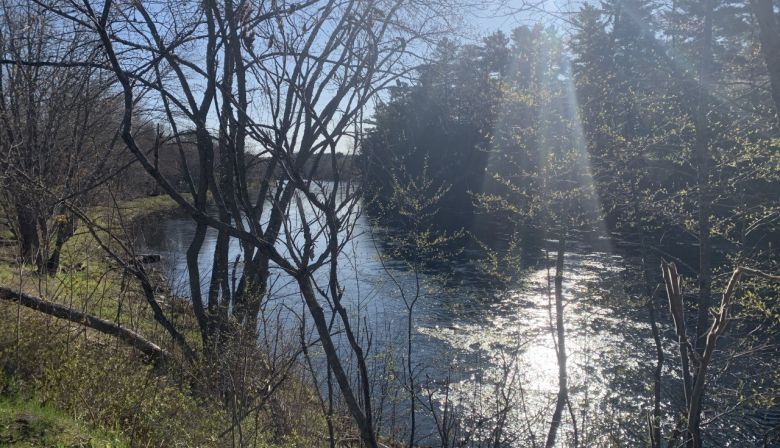
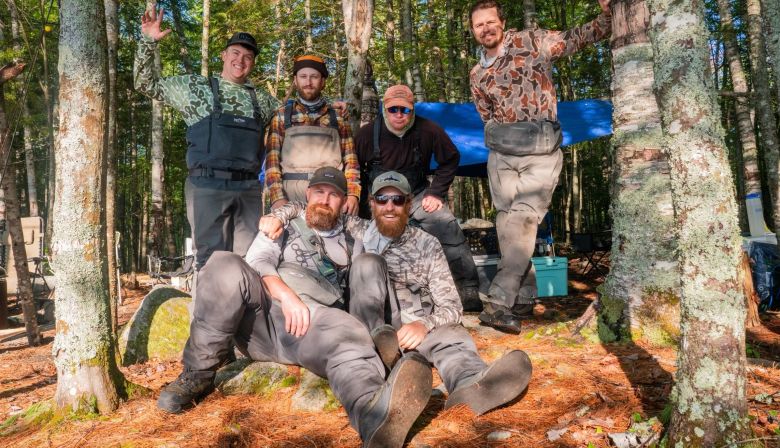
Soon, I’ll get my chance. Every year a group of friends and I spend a week on the Rapid River in Maine. It’s hard work, trudging through the bushes in search of big trout no one else has found, but the minor suffering is all worth it when the line goes tight.
I’ll return, sun-kissed and a little parched in early June. Then it’s off Atlantic Canada and Quebec, where I’ll spend the next few months touring around wild salmon country to connect with readers and share your stories. Can’t wait!
Remember, our shared journeys – of angling and conservation – are the lifeblood of Rivernotes. I invite you to keep me in your loop, send me stories of and invite me on your adventures. I would be delighted to spotlight them in our blog!
Please feel free to reach out to me anytime at Rivernotes@asf.ca. I eagerly look forward to the unfolding river stories we’ll weave together in the future.
Until then, tight lines, everyone!
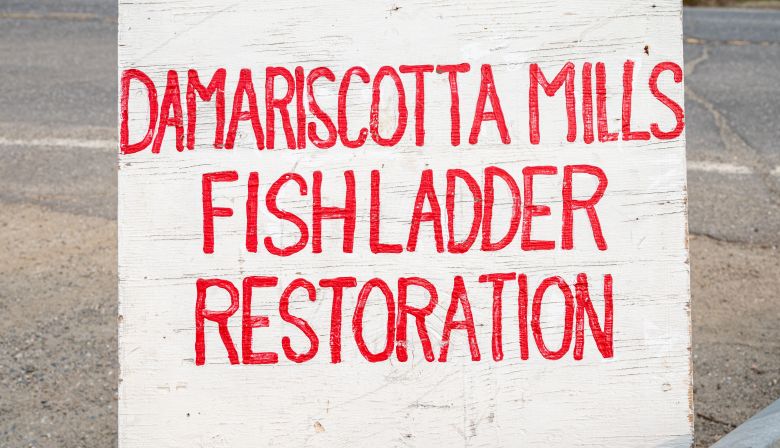
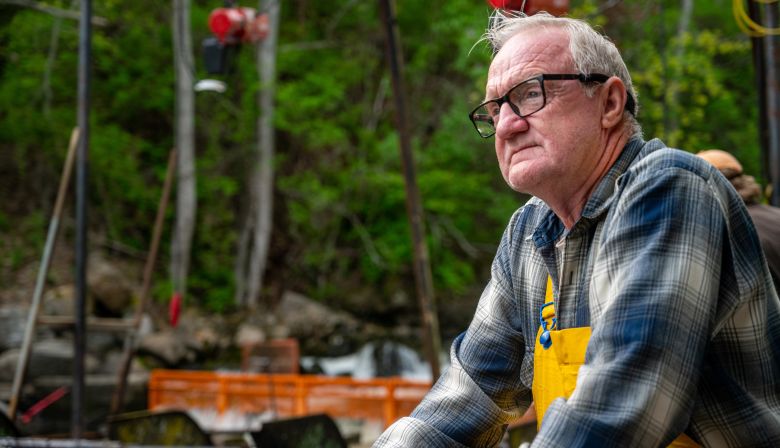
ALEWIFE HARVEST IN DAMARISCOTTA , MAINE
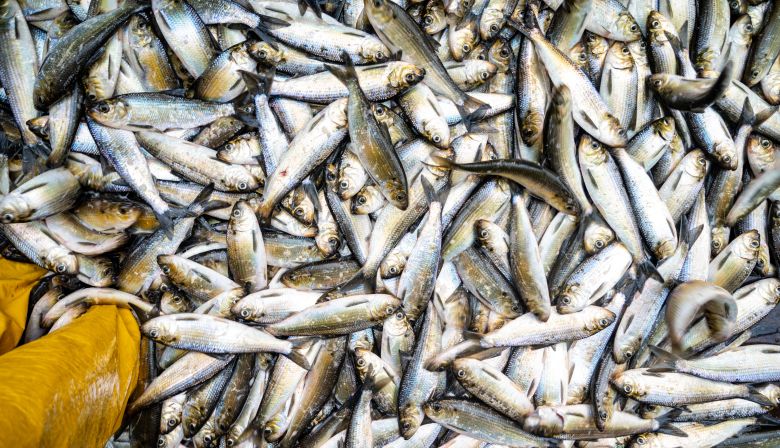
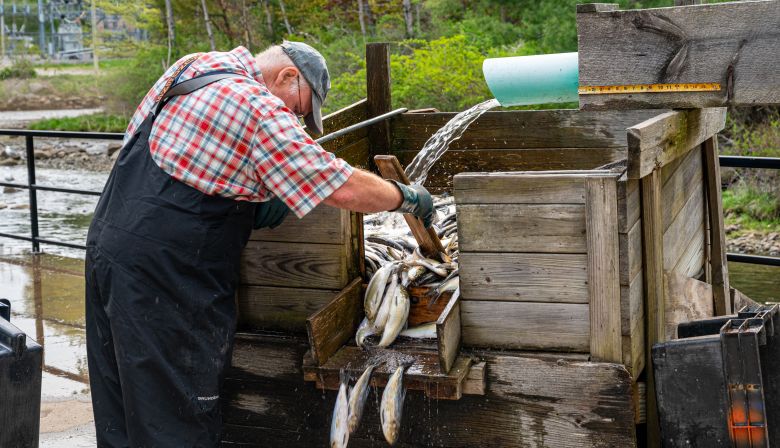
During my recent visit to Damariscotta, Maine, I got a firsthand look at the annual alewife run and harvest.An old dam at the outflow of Damariscotta Lake would completely block access to sea-run fish if not for a circa 1807 stone fishway that runs for more than 1,500 feet. For well over a century alewife and other species used the fishway successfully, but then it fell into disrepair.
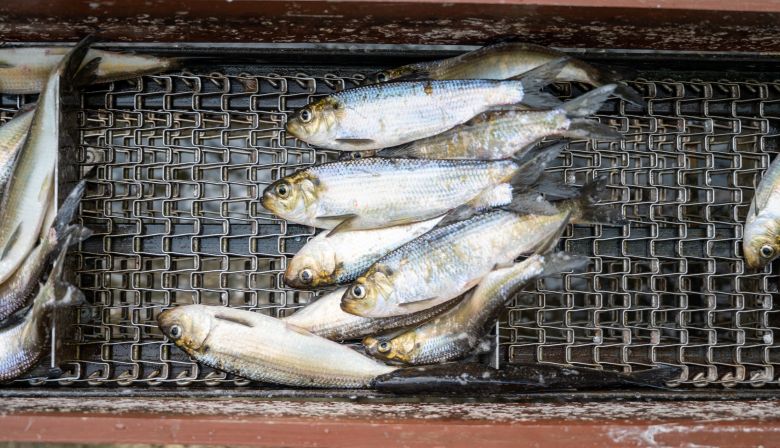
In 2007, local organizers and groups like ASF began fundraising to repair the fishway and now more than one million alewife pass annually. It has spawned a local alewife festival and now provides an annual source of food, and bait for Maine lobster fishermen.
It was enlightening to witness this combination of local heritage and see the benefits of river restoration.
Alewives play an important role in river ecosystems and are a precursor to the return of other migratory species like Atlantic salmon.
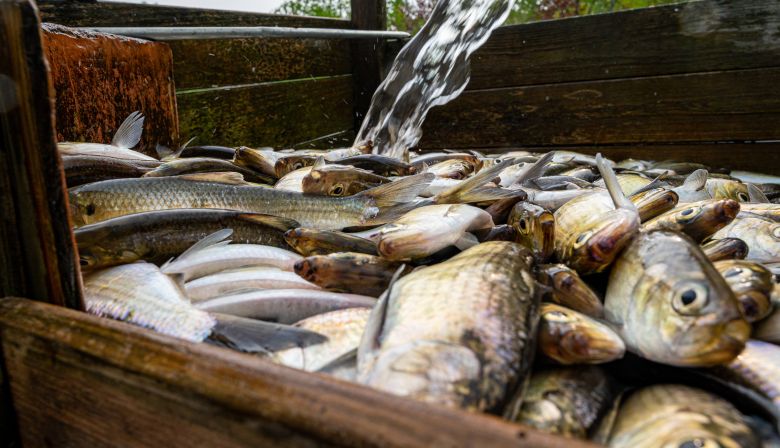
These shared journeys underscore the interconnectedness of river ecosystems. This realization, along with the economic and cultural value of alewives, is why ASF has dedicated so much effort to alewife and other sea-run species restoration in Maine over the past 15 years.
SIPPIN’ SUDS
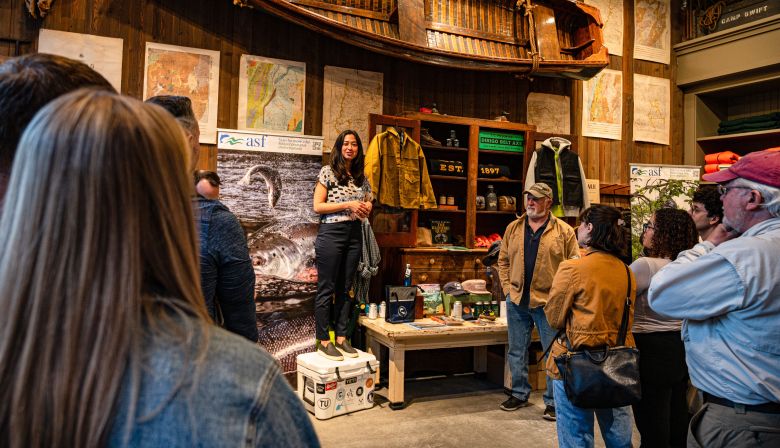
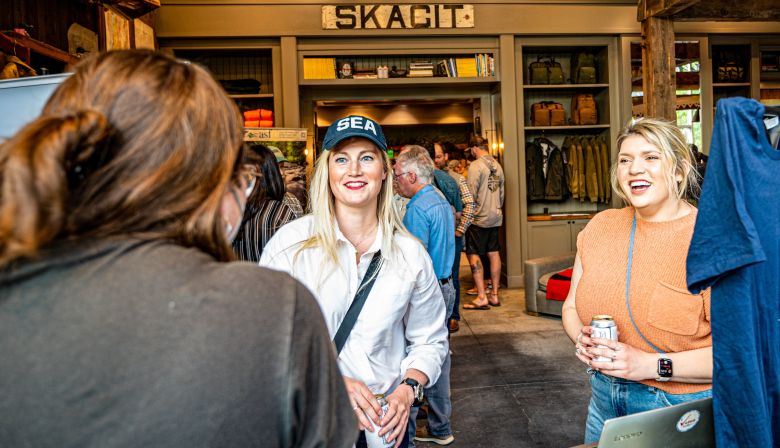
Last week, I had the pleasure of attending ‘Sipping Suds for Atlantic Salmon’ in Boston’s Seaport district. The event, organized by Ben Carmichael, was hosted at the Filson store. It brought together a lively group of fifty people dedicated to Atlantic salmon conservation.Representatives from the Atlantic Salmon Federation, the Downeast Salmon Federation, and the Miramichi Salmon Association were all in attendance, creating a vibrant atmosphere of shared passion.
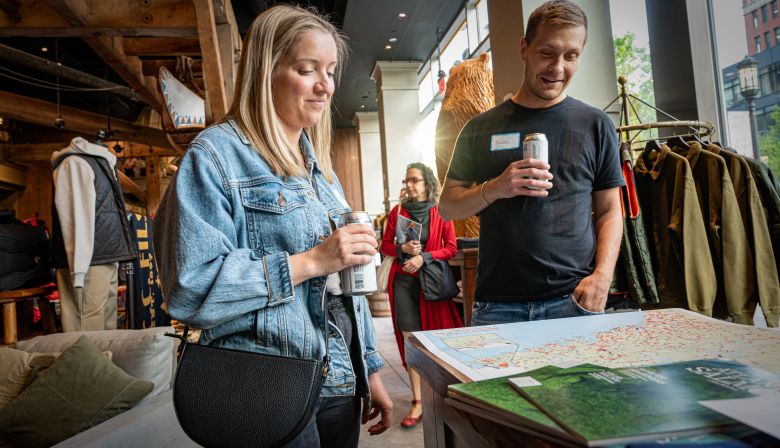
Complimentary craft beer from Oxbow Brewing helped fuel conversations about our collective love for nature and the need for conservation.
A raffle added a dash of excitement to the evening, but the real victory was the awareness and funds raised for our cause. The event was not only a social gathering, but also a testament to the power of a dedicated community.
Thank you to everyone who attended and here’s to more successful evenings dedicated to camaraderie and conservation.
NEW BRUNSWICK
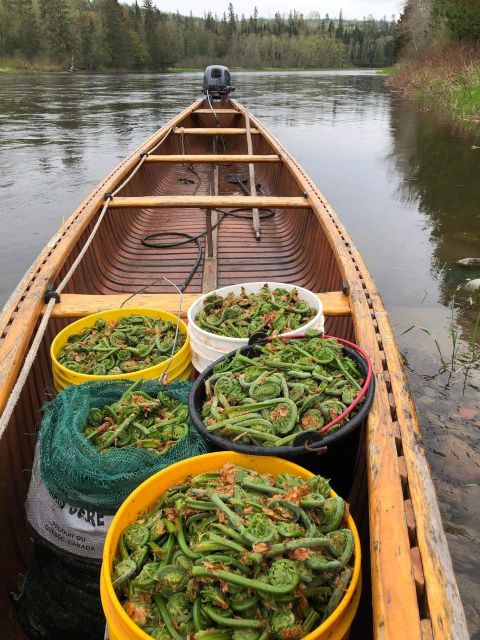
ASF NB Program Director, Serge Collins Reports With the spring salmon season at an end, results have been very positive – both the number of fish caught and their size and condition – a great start to the year.
Regarding conservation efforts, ASF researchers and partners have been active with kelt and smolt tagging throughout the province.

NOVA SCOTIA
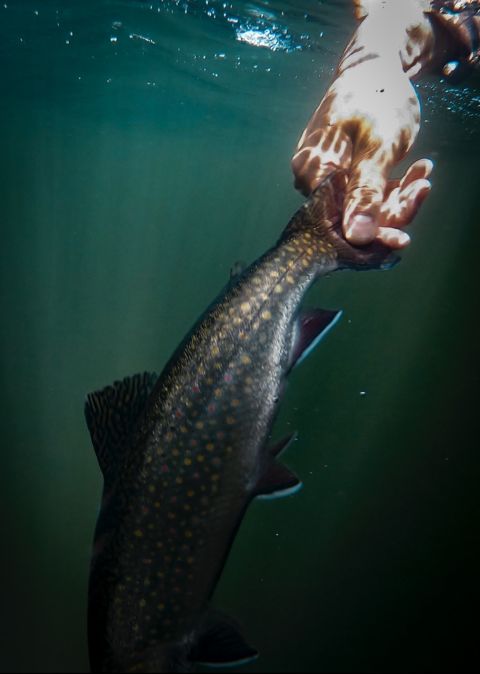
ASF Nova Scotia Program Director Deirdre Green Reports
Conditions throughout the province have varied these last few weeks: snowfall warnings in Cape Breton, double digit temperatures on the mainland, and forest fires in southwestern Nova Scotia.
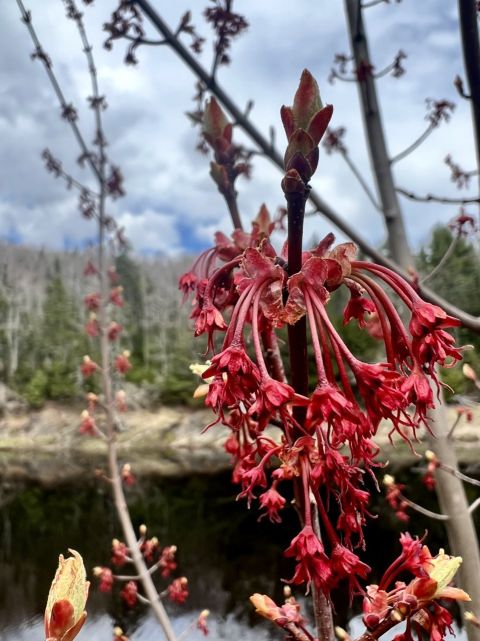
Maple blossoms are falling, and the mayfly hatch continues. Trout anglers have noted that the blackflies have begun biting and were out in full force over the weekend.
For families seeking a fun weekend adventure, the Margaree Salmon Association’s BioBlitz event is coming up on May 27th. Volunteers are welcome!
Also, mark your calendars for two upcoming International Fly Fishing Film Festival (IF4) screenings on Cape Breton Island. The first is on May 28th at Breton Brewing in Sydney. For more info and to buy tickets click here [https://bretonbrewing.ca/event…]
Then in June, ASF will host a free screening at Big Spuce Brewing in Baddeck, Donations will be welcome.
We can’t wait to show Tim Myers’ film Dollar Dog. Produced with support from ASF, this charming short film tells the story of Ella, a four-legged local legend of the Margaree.
If you like dogs and salmon, it’s a must see.

NEWFOUNDLAND AND LABRADOR
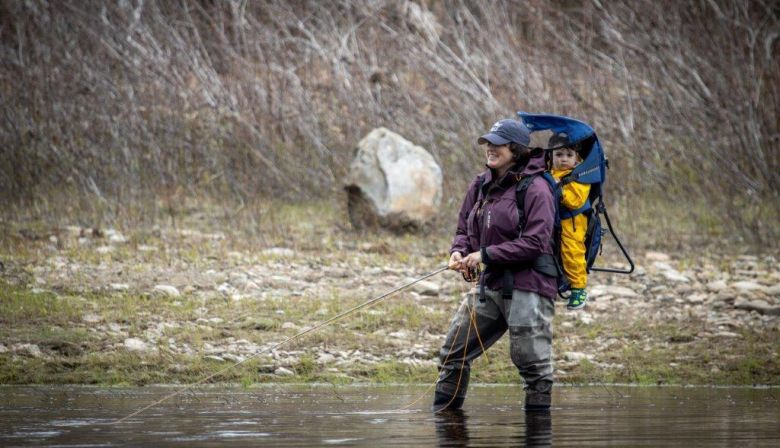
ASF Newfoundland and Labrador Program Director Don Ivany ReportsThe recreational salmon fishery in Newfoundland doesn’t open until June 1st, and Labrador’s season doesn’t start until June 15th, leaving us without any salmon angling catch stats to share for now. However, the trout fishing season province-wide kicked off on May 15th, offering some fishing action while we eagerly anticipate salmon season.
The Department of Fisheries and Oceans’ Salmon Management Plan for 2023 mirrors last year’s, as it’s the second year of a two-year plan. Details of this plan can be found on the DFO’s Anglers Guide website: https://www.nfl.dfo-mpo.gc.ca/…;
Since my last report, we’ve been blessed with some rain in the province, which has significantly affected river conditions. Here’s a quick update on water flows and temperatures across various rivers:
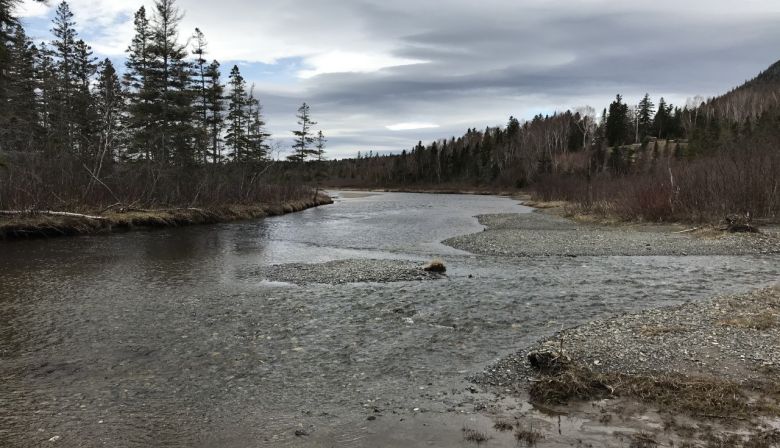
In Labrador, the spring breakup has been in progress for a few weeks. Despite this, water flows on many rivers had been slowly reducing due to little rainfall. However, heavy rain last week caused Southern Labrador rivers to swell rapidly. For instance, the Alexis River’s water flow shot from 50 cubic meters per second (cu/m/s) to 230 cu/m/s, while the temperature remained cold, at 6.5 degrees Celsius.
On Newfoundland, water levels on the Northern Peninsula were nearing mean daily flows last week, but recent rains have seen flows rise dramatically. The Torrent River’s flow surged from 25 cu/m/s to 63 cu/m/s, and a similar trend was observed on Main River, jumping from 30 cu/m/s to 125 cu/m/s. Water temperatures remain chilly, hovering around 4.5 degrees Celsius.
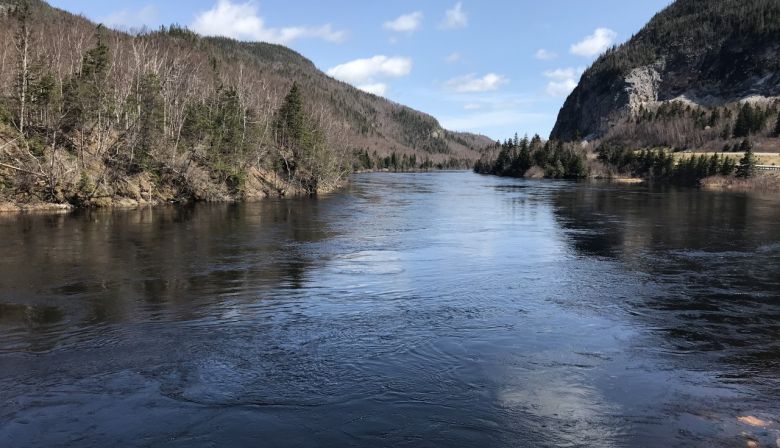
Rivers in Western Newfoundland also saw increased water levels following last week’s rainfall. The lower Humber River’s flow jumped from 330 cu/m/s to 420 cu/m/s. However, rivers in Bay St. George received slightly less rain, maintaining stable water levels just above mean daily flow levels.
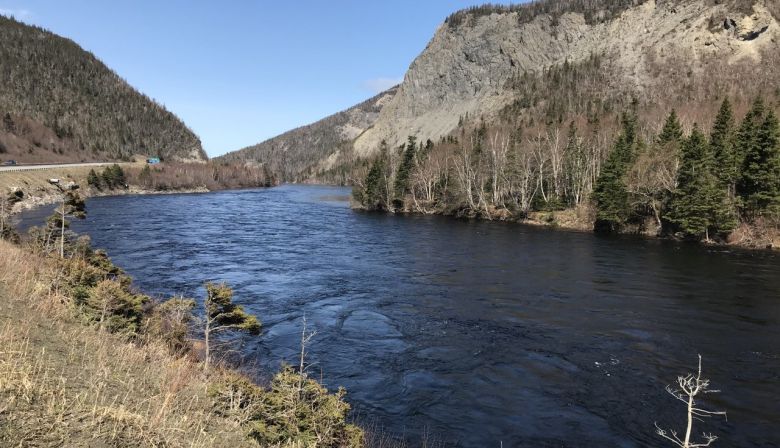
In stark contrast, the south coast has been relatively dry, resulting in lower-than-average water levels. The Grey River, for example, is flowing at 25 cu/m/s, significantly below the mean daily average flow of 55 cu/m/s.
Central Newfoundland saw a rapid rise in water levels due to heavy rain. The Gander River’s flow increased from 160 cu/m/s to 230 cu/m/s, while the Terra Nova River, despite an increase, still reports fairly low levels for this time of year at 50 cu/m/s.
Lastly, the Avalon Peninsula, despite a cold and wet spring, has seen water levels drop over the past couple of weeks. Rivers like the Northwest River and Rocky River are flowing well below their mean daily flow levels.
Barring the south coast and Avalon Peninsula regions on the Island, most of the province is experiencing decent water flows and temperatures for this time of year. With the angling season just a few weeks away, most rivers should be in good condition, especially if we receive more rain soon.
QUEBEC
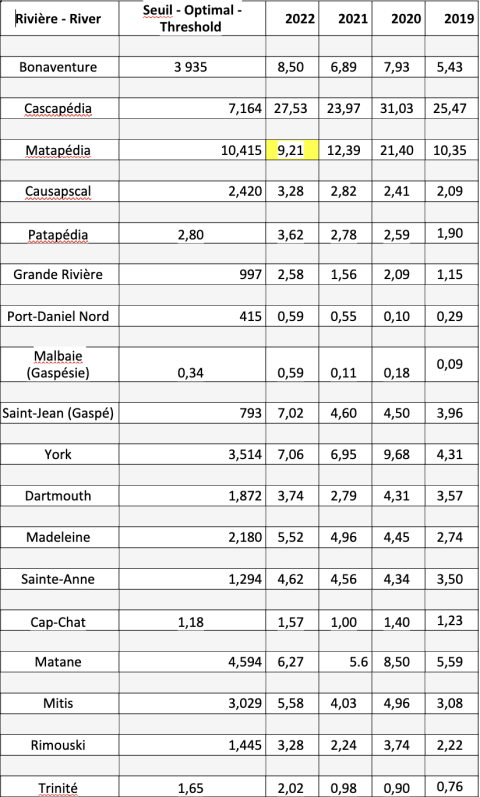
The Quebec government recently published the 2022 Atlantic Salmon Exploitation Report.
Here is a summary:
In 2022, adult salmon assessments were completed for 40 Quebec rivers. Scientists estimate 29,368 adult salmon returned compared to 28,601 in 2021 when 39 rivers were assessed. These monitored rivers recieve 90 per cent of the annual angling effort.
Reported angling catches totalled 19,147 salmon compared to 15,265 in 2021. Of all fish caught 14,730 were released compared to 10,087 in 2021.
Of the salmon that were harvested last year 3,401 were grilse and 1,016 were large salmon. This compares to 4,442 and 736 in 2021, respectively.
The 2022 season was characterized by a 16 per cent increase in total returns compared to 2021. Against the most recent five-year average, grilse returns increased by 8 per cent while returns of large salmon increased by 20 per cent. These results are based on data from 31 rivers that have results available for the last six years.
At the same time, the sale of salmon licenses increased by 13 per cent in 2022 compared to the previous five-year average and rod-day sales totaled 76,706, up from 75,435 in 2021.
https://vimeo.com/827667089
PEI
ASF’s Kris Hunter Reports This week I travelled over to P.E.I. for meetings with the provincial Watershed Alliance and also to help in some conservation efforts.
The 25 watershed groups on the island are wrapping up their winter activities, completing their spring AGMs, and starting to gear up for what looks to be a busy summer season.
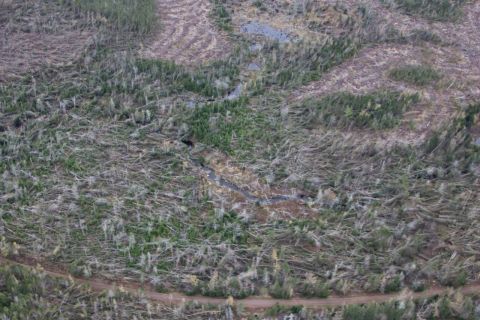
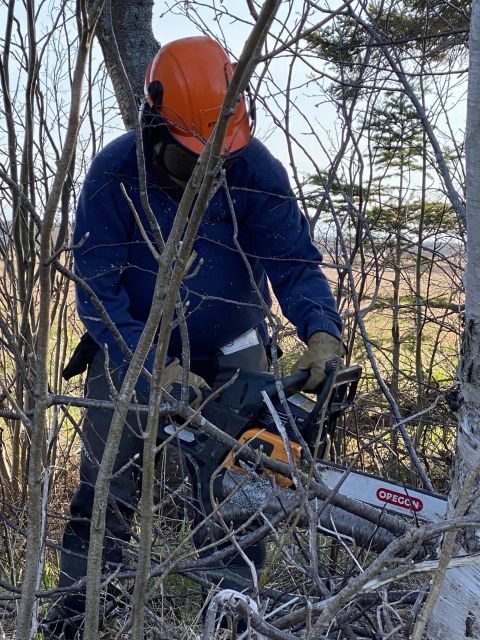
At the P.E.I. Watershed Alliance annual general meeting we heard from many of the groups. In addition to their usual slate of restoration, assessment, tree planting, and community outreach activities, many of the groups are also having to deal with the impacts of Hurricane Fiona.
They’re working hard to assess damage and prioritize cleanup to ensure safe access for people and adequate passage for migratory fish.
One concern that has recently re-remerged is around the recreational smelt dip net fishery, specifically the impact this fishery is on local smelt populations and the effects on wild Atlantic salmon. We are working with our local partners to investigate what can be done about this issue.
While in-stream work is still several weeks away, fishing season on P.E.I. is open. For the most part, things are off to a great start.
Dale M reports that there are lots of big trout being caught in the Morell, which is certainly a good sign. In the central part of the island, Jordan C reports that while the West River has been slow starting, possibly due to a colder spring and super low water, the Dunk River has had some very productive fishing.
MAINE
The fishway trap at Cherryfield Dam on the Narraguagus River has been operating since 20 April. No salmon have been captured to date. Heavy rain and high flows last week have given way to blue skies and warming river temperature.The river herring run has begun in earnest and American shad have started to arrive. A large number of adult sea lamprey have been captured as well; a very atypical but welcome sight for the Narraguagus!
5/9
Other species total capture to date:Sea Lamprey (SLP): 127
American Shad: 11
River Herring: No Count5/16
Still anxiously awaiting arrival of the first salmon of the season! River temperature remains moderate around 15oC. Discharge is very unseasonably low at 230 CFS!
Other species total capture to date:
Sea Lamprey (SLP): 142
American Shad: 109
River Herring: No Count
Jason Valliere – Fisheries Scientist Maine Department of Marine ResourcesAs expected, fish numbers increased significantly over the past week in the Penobscot. We are up to 11 Atlantic Salmon at the Milford Dam fish lift on the Penobscot and over 1 million river herring and shad. Sea lamprey have also started to show up!
River temperature on the Penobscot has risen from 8C to 15C.

ASF’s Jeff Reardon reports on a smolt trapping and sampling trip to the Sandy River, a headwater tributary of the Kennebec River in Maine:
Maine was hit hard by the “May Day flood,” with the Kennebec River watershed and its Sandy River tributary receiving over 6 inches of rain in less than a day. The flood, the largest in 25 years, saw the Sandy River’s flow increase twenty-fold.
Typically, the Maine Department of Marine Resources starts annual smolt trapping on the Sandy around May 1. This year, due to the flood, the trap didn’t operate until May 9. Paul Christman, lead biologist with Maine’s Department of Marine Resources for the Kennebec River program, enlisted ASF staff to help with the expected peak of the run on May 10. However, the high flows led to a lower catch—only about 30 smolt.
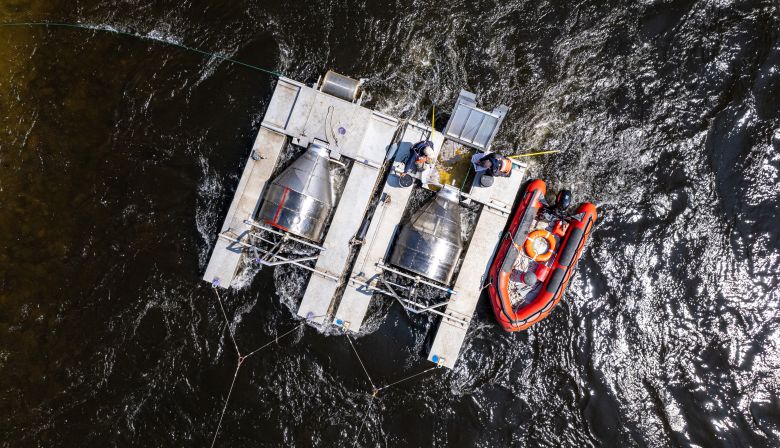
Surprisingly, the next day’s haul was too large to handle in one trip. Each smolt was measured, weighed, and checked for marks, part of a mark-recapture study to estimate the size of the smolt run.
Scale samples were collected for aging and a small fin punch was made. The tissue removed will be analyzed for genetics and the punch mark will help with the mark-recapture study. After a brief recovery in an oxygenated tank, the smolt were all released.
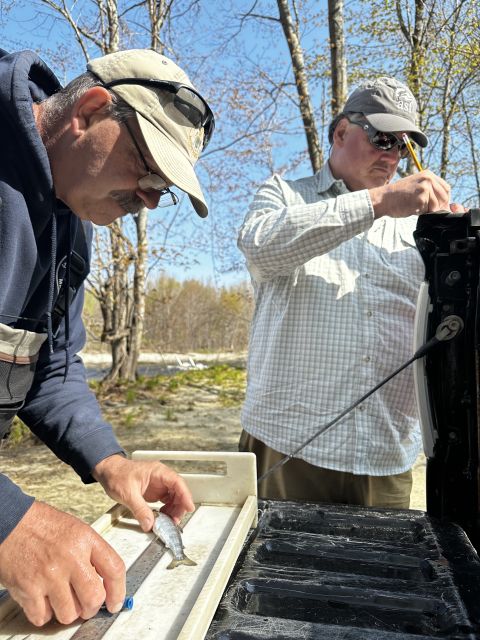
By day’s end, about 70 smolt had been processed. Some had been caught and released upstream the previous day. This mark-recapture method, repeated daily, gives a smolt population estimate. Recent estimates were 13,000 smolt in 2021 and 10,000 in 2022—the largest run of naturally reared smolts in Maine, an accomplishment stemming from an egg planting initiative started in 2010.
This year’s estimate may be less reliable due to the flood, but the collected biological data, scales, and genetic samples are invaluable for assessing the success of the restoration effort.
ASF Project Director Maranda Nemeth ReportsEarlier this month, Maine saw significant rainfall, which had a notable impact on Temple Stream. Here, through our Maine Headwaters Project, we’ve been restoring natural waterways over the past few years. The timing of the rainfall was ideal, given our removal of the Waltons Mill Dam last year and replacement of two road-stream crossings prior to that.
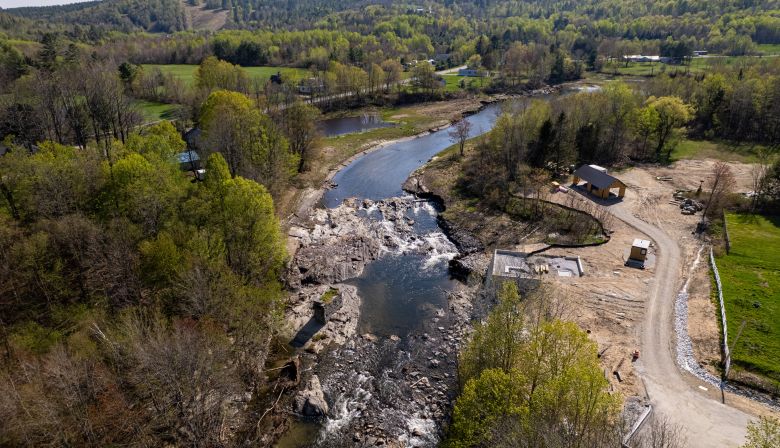
The rainstorm brought about a flow surge above the 10-year event mark, as indicated by the USGS gauge in Mercer on the Sandy River. This surge, unimpeded by the now-absent dam, allowed the naturally accumulated sediment to move downstream as it should have done for the past 240 years without the dam interference. This event restored the vital natural process of erosion, sedimentation, and sediment transport.
Furthermore, the absence of the dam eliminated the risk of a potential dam failure—a hazard that’s challenging to predict. On the roads intersecting with the streams, our previous projects ensured that the heavy rainfall didn’t cause any issues or closures. This scenario contrasts starkly with the prevalent culvert failures and road closures seen across Maine. Farmington’s roads, thanks to our projects, remained open, underlining the importance of our work.
Other links:
https://www.asf.ca/our-work/restoration
https://www.chronolog.io/site/TOF101
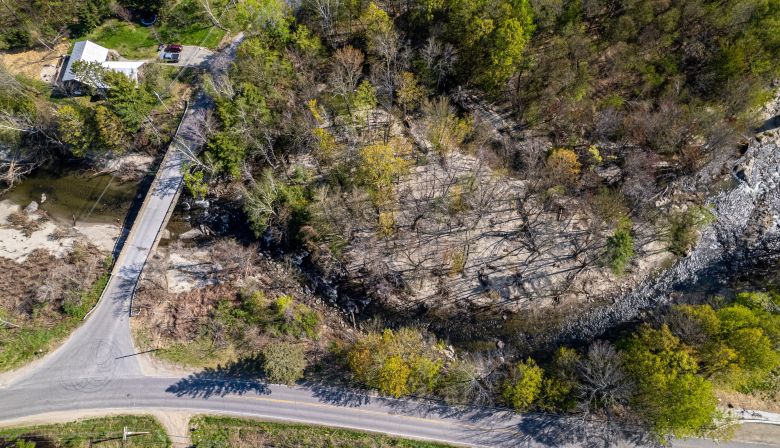
In essence, ensuring free-flowing streams and rivers is crucial not just for fish migration but also for minimizing hazardous and costly outcomes for communities. Both dam removal and road-stream crossing replacements are mutually beneficial for aquatic life and people alike.